
How many restrooms does a county fair need?
Start with attendance, not gate count, since fairs turn crowds over all day. OSHA 1926.51(c) sets a construction baseline of one toilet for every 20 workers, which is a useful floor for staff and vendor crews even though a public fair draws a different formula for the midway itself. For staff-side planning at food booths and ag barns, that ratio still applies, and it is worth reviewing on the OSHA portable toilet requirements page before finalizing counts. For general public flow, most fair organizers we work with in South San Francisco land somewhere between one unit per 75 to 100 guests for a single-day event, more if beer or wine gardens run long hours. The how many porta potties do I need guide walks through the math by attendance band. We also factor grandstand seating separately from open midway space, since a seated crowd empties in waves rather than a steady trickle, which changes where units cluster and how fast tanks fill. A standard unit carries a 60 to 70 gallon holding tank, and a single-day fair with heavy soda and lemonade sales can push that tank close to capacity by closing time, so we plan mid-day service on multi-day runs rather than waiting for a call.
What restroom options work best for a fair?
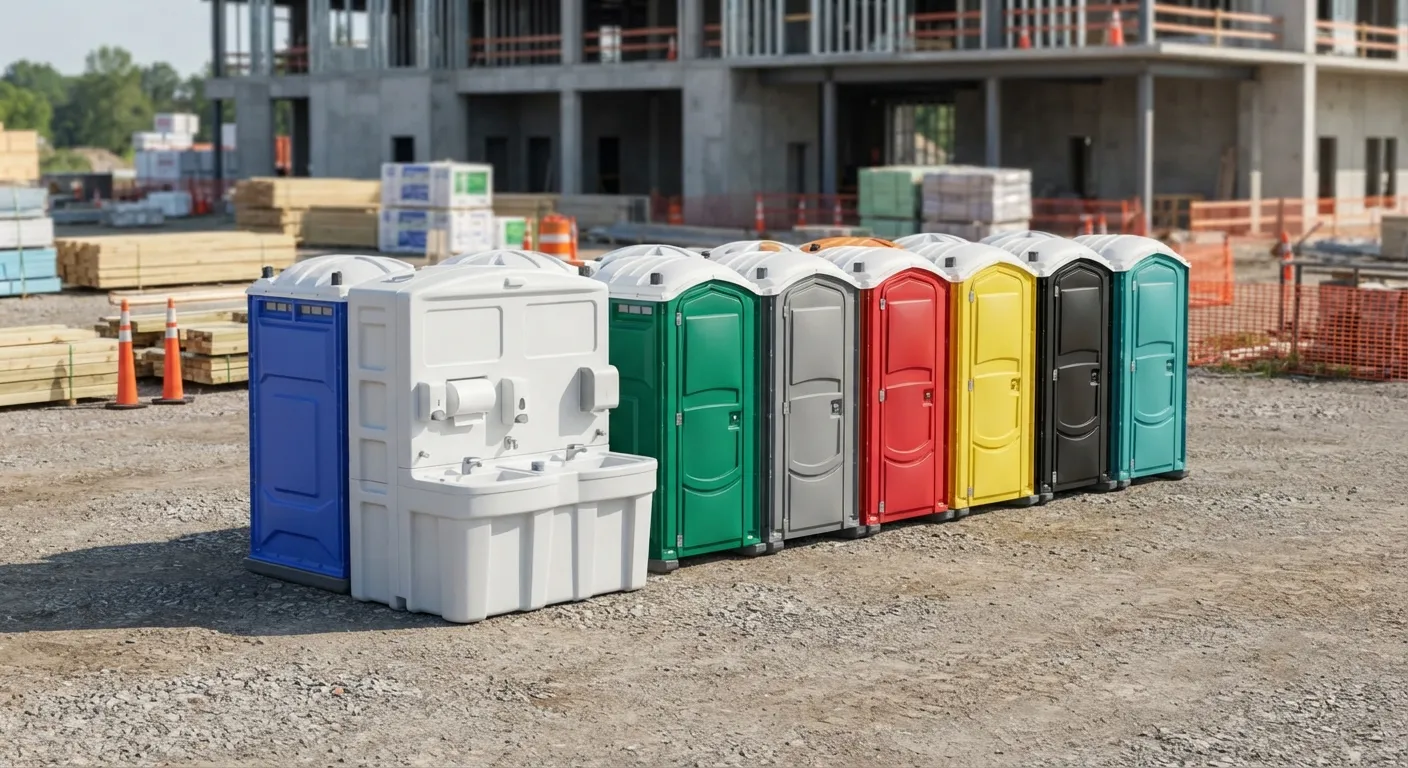
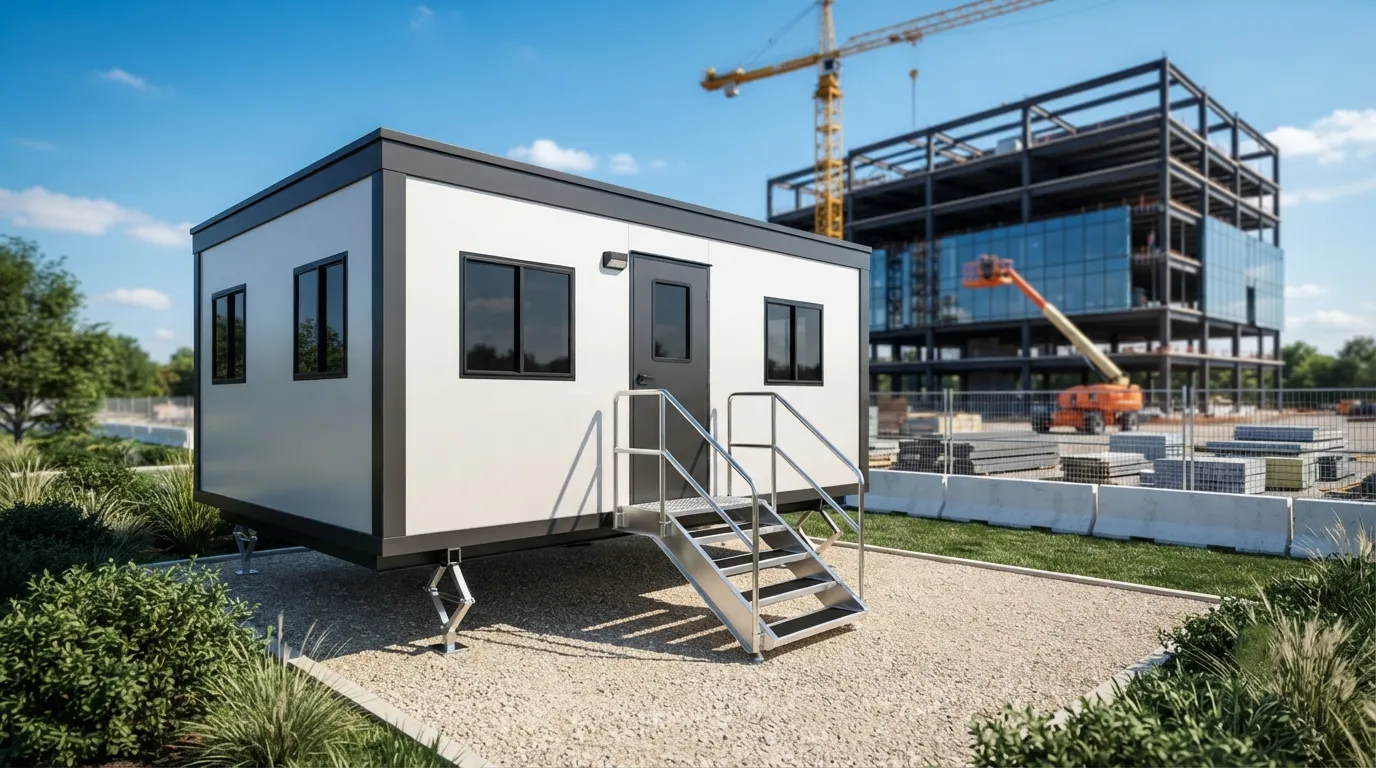
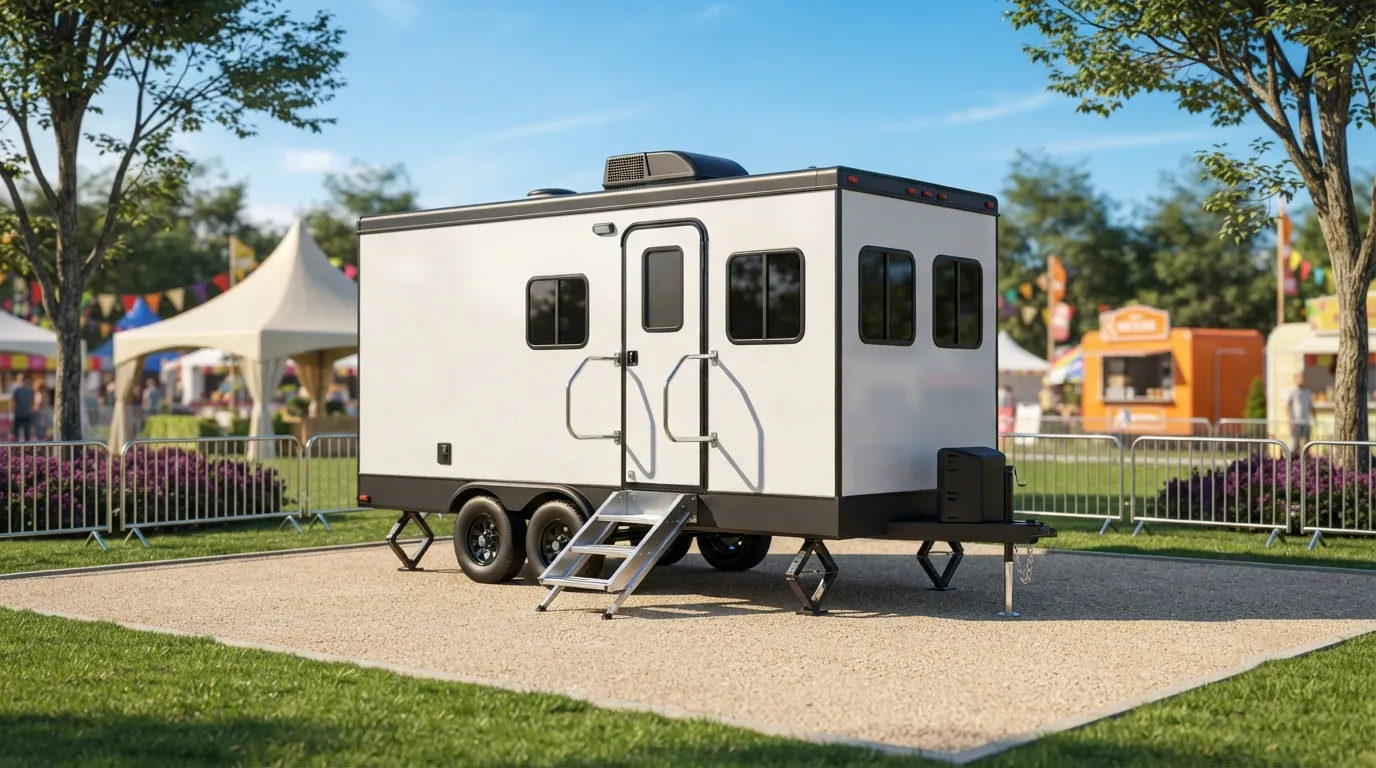
Standard units handle the midway and parking fields, while deluxe flushable units go near VIP tents, judging pavilions, or anywhere organizers want a step up from a basic stall. A standard unit runs about 44 by 48 inches on the ground and stands roughly 92 inches tall, which fits tight rows along a fence line without eating walkway space. For fairs with grandstand entertainment or a headline concert booked on the grounds, a restroom trailer gives multiple stalls, sinks, and real doors, and the 4 stall or 8 stall configurations both scale well for a one or two day fair footprint. ADA Standards section 213.2 requires at least 5 percent of clustered single-user units to be accessible, with a minimum of one no matter how small the cluster, so even a modest bank of ten units needs an accessible unit in the mix; that unit also needs the 60 inch turning circle called out in ADA Standards section 304.3.1 and a 32 inch clear door per ADA Standards section 404.2.3. Food vendor rows should sit near a handwashing station or portable sink rental, since 29 CFR 1910.141(d)(2) requires soap and towels or a hand-drying device at washing facilities, not just sanitizer. Fairs with a petting zoo or livestock barn often add a second bank of handwash stations at the barn exit for the same reason.
Where should restrooms go on the fairgrounds?
Placement decides how well the whole plan works, more than unit count does. Units belong at crowd chokepoints: gate entrances, the base of grandstand stairs, food court perimeters, and the far end of parking fields where people are already walking. Keep ADA units on a firm, level path, since ADA Standards section 302.1 calls for stable, slip-resistant ground and section 405.2 caps ramp slope at 1:12 if the site has any grade change. The porta potty placement guide covers clearance from tents, generators, and food trailers in more detail. If the fairgrounds sit near city right-of-way or a public street for overflow parking, placement there needs confirming with South San Francisco directly, since we cannot state a blanket permit rule here; the porta potty permit requirements page explains how that conversation usually goes. Delivery trucks need roughly 60 feet of straight clearance behind the vehicle to unload a restroom trailer or a bank of standard units, so gate width and access lanes matter as much as the spot itself. Fairs drawing traffic from San Bruno, 5.5 miles southwest, or Millbrae, 7.2 miles south, often see parking overflow onto side streets, and restroom placement should follow where that overflow crowd actually lands, not just the ticketed footprint. We also stage a spare unit near ag barns and 4-H exhibits, since livestock areas run their own steady foot traffic all day.
Frequently Asked Questions
How far in advance should we book fair restrooms?
Book as soon as the fair date and site plan are set, since multi-day fairs compete with weekend weddings and festivals for the same trailer inventory. A request a quote submitted with expected attendance and a site map speeds up placement planning and locks in delivery scheduling.
Can we rent restrooms for just the fair weekend?
Yes, weekend rentals are common for single-run county fairs. Pricing sits above a single day rate but below a full week, and the festival restroom rental page covers how weekend blocks typically get priced for multi-day public events.
Do fairs need accessible restrooms even for a one-day event?
Yes. ADA Standards section 213.2 applies regardless of event length, requiring at least one accessible unit in any cluster. The ADA restroom requirements page details clearance, reach range, and door width standards that apply to fair-grounds placement.
How often do restrooms get serviced during a multi-day fair?
Multi-day fairs typically get serviced daily or twice daily depending on attendance and beer garden hours. The how often are porta potties cleaned page explains the service interval logic we use for high-traffic public events in South San Francisco.
What if the fair grows bigger than planned mid-run?
Call us and we add units same-day where possible. Our emergency porta potty rental service exists for exactly this, and it is easier to add a unit than to explain long lines to fairgoers on day two.
Next step
Get a delivery date
Tell us the address, the dates and the headcount. We size the order and confirm the route.