
Where should a porta potty go on a job site?
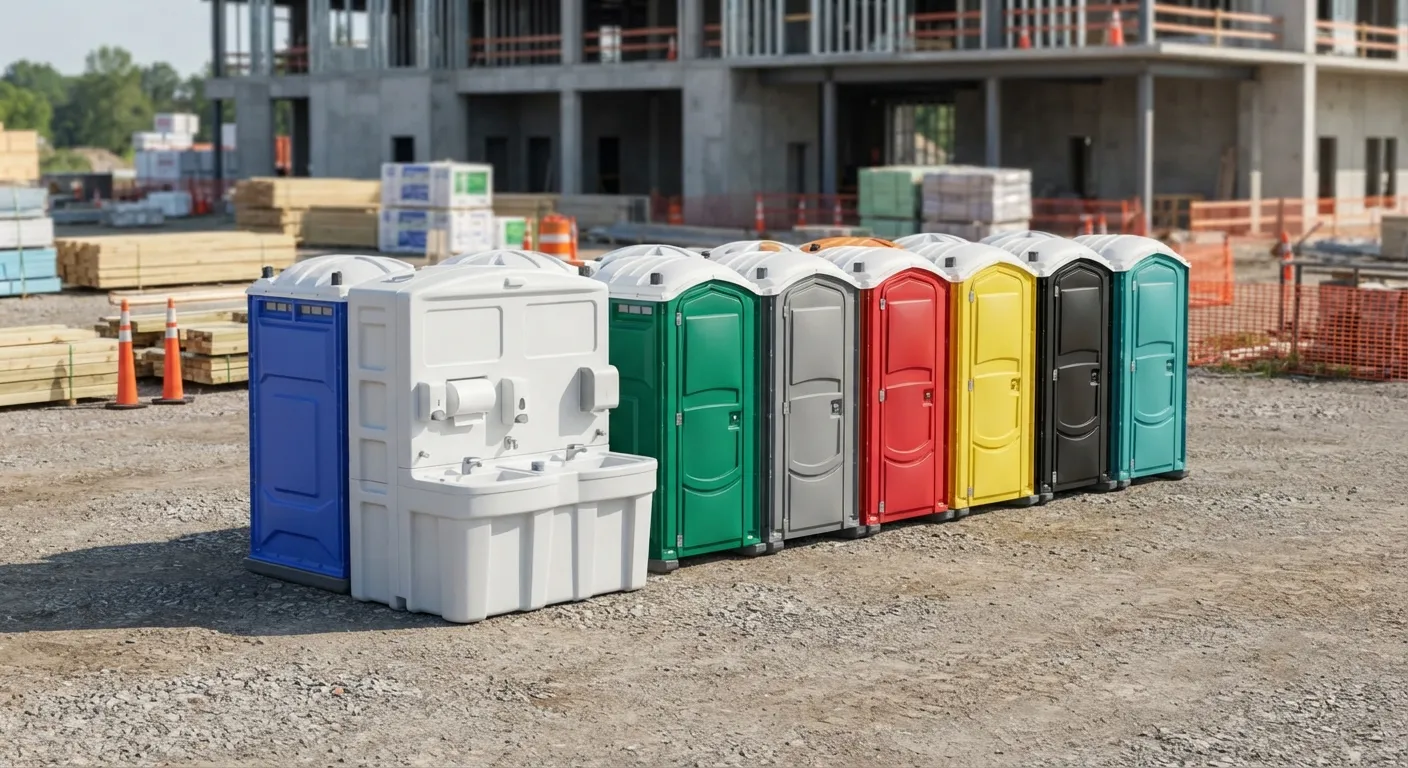
Pick flat, stable ground first. ADA Standards section 302.1 calls for surfaces that are stable, firm and slip resistant, and that rule is worth following even for a non-ADA unit, because a unit that rocks on gravel or mud becomes a service headache and a liability. Keep it close to the work but out of the swing of equipment. If you're staging near an active trench or a materials pile, check OSHA portable toilet requirements before you set the layout, since 1926.51(c)(1) also drives how many units you need, not just where they sit. For construction site services in South San Francisco, we walk the site with the foreman before delivery so the pad location doesn't move twice. Avoid low spots that pond water and keep units away from site entrances where delivery trucks turn. If you're renting a standard porta potty rental for a multi-week job, plan the spot around your dumpster placement too, since both need truck access on the same day.
How much clearance does a pump truck need?
A service truck needs a clear path to the tank valve, and a roll-off delivery needs about 60 feet of straight clearance behind the truck to set or pull a container safely. That same clearance logic applies to septic work. If you're scheduling a septic pumping service or a grease interceptor visit, note that a grease trap is pumped once fats, oils, grease and solids hit 25 percent of the liquid depth, and the truck still needs a straight shot to the access lid. South San Francisco sites near San Bruno, about 5.5 miles southwest, often deal with sloped driveways, so confirm grade before delivery. For county or rural work, some crews search for a placerville septic pumping service when their regular route doesn't cover that area, but locally we handle both septic and portable sanitation from one dispatch, which simplifies placement planning for portable toilet rental and holding tank rental jobs together.
Are there permit rules for placement in South San Francisco?
Placement in the public right of way needs confirming with the city before you set anything at the curb or sidewalk. We are not naming a specific ordinance here because permit rules and fees vary by property line, street type and event size, and getting it wrong costs more than the phone call to check. If your project also involves a container, a dumpster placement permit is a separate matter from portable toilet placement, and dumpster placement permit cost varies by street use, so check both before delivery day. Our porta potty permit requirements page and dumpster permit requirements page walk through what to ask the city. Private lots and job sites usually don't need anything beyond property owner approval, but anything touching a sidewalk, lane or metered space in South San Francisco should get a call first. Events at larger venues often need a layout diagram submitted ahead of time; see our event restroom rental guidance for that process.
Where should ADA units and handwashing stations sit?
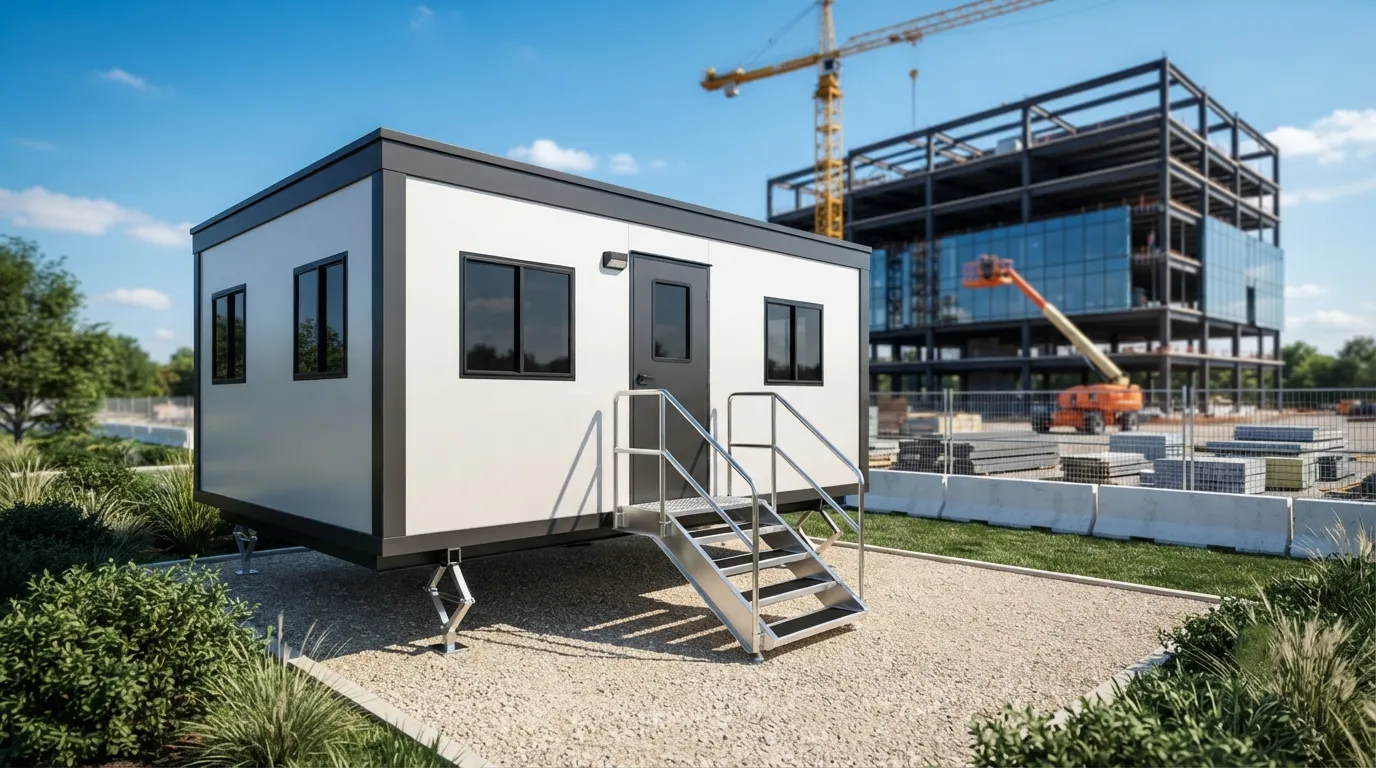
ADA units need a clear, level path, and ADA Standards section 403.5.1 sets a 36 inch minimum clear width on that route, with a 32 inch minimum door opening under section 404.2.3. Inside the unit, section 304.3.1 calls for a 60 inch turning circle, so don't tuck an accessible unit into a tight corner just because it fits on paper. When you cluster multiple units, ADA Standards section 213.2 requires at least 5 percent to be accessible, never fewer than one. Place the ADA accessible porta potty at the front of the row, closest to the accessible parking or entrance path, not at the end. Handwashing stations belong next to the toilet bank, not across the lot; 29 CFR 1910.141(d)(2) requires soap and towels or a hand dryer, not sanitizer alone, so plan the station where staff will actually use it. If a station uses an Ozark River unit, keep spare parts on hand. An ozark river portable sink replacement parts kit for the pump or drain fitting is worth having before a busy weekend, since a broken pump takes the whole handwashing station rental out of service until it's fixed. For office trailers on the same site, note that mobile office trailer replacement doors are a separate maintenance item from restroom units and should be scheduled through your mobile office trailer rental provider, not us.
Placement decisions also affect servicing frequency and cost, so check porta potty rental cost and porta potty rental per day once your layout is set, and see the full [porta potty placement guide]() cluster hub at Porta Potty Rental in South San Francisco, CA for delivery zones.
How far from the work area should a unit be placed?
Close enough that workers actually use it, far enough to stay clear of equipment swing and material staging. Most crews land on 50 to 150 feet from the main work zone. Check how many porta potties do I need for count guidance tied to crew size.
Can a porta potty sit on a public sidewalk?
Not without confirming with the city first. Right-of-way placement needs approval, and rules vary by street and permit type. See porta potty permit requirements before committing to a curb spot.
Does the ground need to be paved?
No, but it needs to be level and stable per ADA Standards section 302.1. Compacted gravel or a wood pad works fine for a standard porta potty rental on dirt or lawn.
How many handwashing stations does a site need?
That depends on crew size and whether contaminants are involved. OSHA 1926.51(f)(1) requires washing facilities specifically where paints, coatings, herbicides or insecticides are applied. See handwashing requirements for a full breakdown.
What happens if a unit blocks a fire lane?
It gets flagged and has to move, often on short notice. Keep units off marked lanes and exits from the start. Our porta potty rental checklist covers this before delivery day.
Next step
Get a delivery date
Tell us the address, the dates and the headcount. We size the order and confirm the route.