
How many restrooms does a race route need?
Race restrooms aren't one bathroom bank at the finish line. They're spread along the course, usually clustered at water stations, mile markers and the start/finish corral. South San Francisco Porta Pros plans placement around your runner count, not just total headcount, because a 5,000-runner field moving through in waves needs different coverage than a static 5,000-person festival crowd. OSHA 1926.51(c) sets a baseline of one toilet per 20 workers on a jobsite, and while a race isn't a construction site, organizers use that same per-capita logic to size restroom counts along a route. For a typical road race, we lean on our standard porta potty rental units at hydration points and add ADA accessible porta potty units at the start and finish per ADA Standards 213.2, which requires at least 5 percent of clustered single-user units to be accessible, never fewer than one. If you're unsure where to start, our how many porta potties do I need guide walks through headcount math, or just request a layout through our request a quote page. Races near San Bruno, 5.5 miles southwest, often split units between two staging zones since the drive between towns adds delivery time worth planning around. We also stock deluxe flushable porta potty units for VIP or sponsor tents, and full restroom trailer rental setups when the event budget allows real sinks and mirrors instead of a standard bank.
What about power and lighting for early start times?
Marathons start before sunrise more often than not, and that means light towers, a generator, and sometimes a temporary power pole feeding a timing tent or medical station. If your race needs one, know how to brace a temporary power pole before delivery day: the pole has to sit on stable, firm, slip-resistant ground per ADA Standards 302.1 language on surface stability, staked or guyed so wind off the bay doesn't tip it during a pre-dawn setup when nobody's watching the course yet. We pair our light tower rental with temporary power pole service for start corrals, and if your event runs past dusk, that combination keeps registration tables and med tents lit through the whole window. Delivery fees for this kind of setup run 100 to 500 dollars depending on route length and how many drop points you need, since a course stretching from downtown South San Francisco toward the Millbrae line, 7.2 miles south, means more than one truck run. We also handle temporary fence rental for corral lanes and crowd control barrier rental at the finish chute, both billed at daily rates so you're not paying a full week for a one-day event.
Should I book handwashing stations along the course?
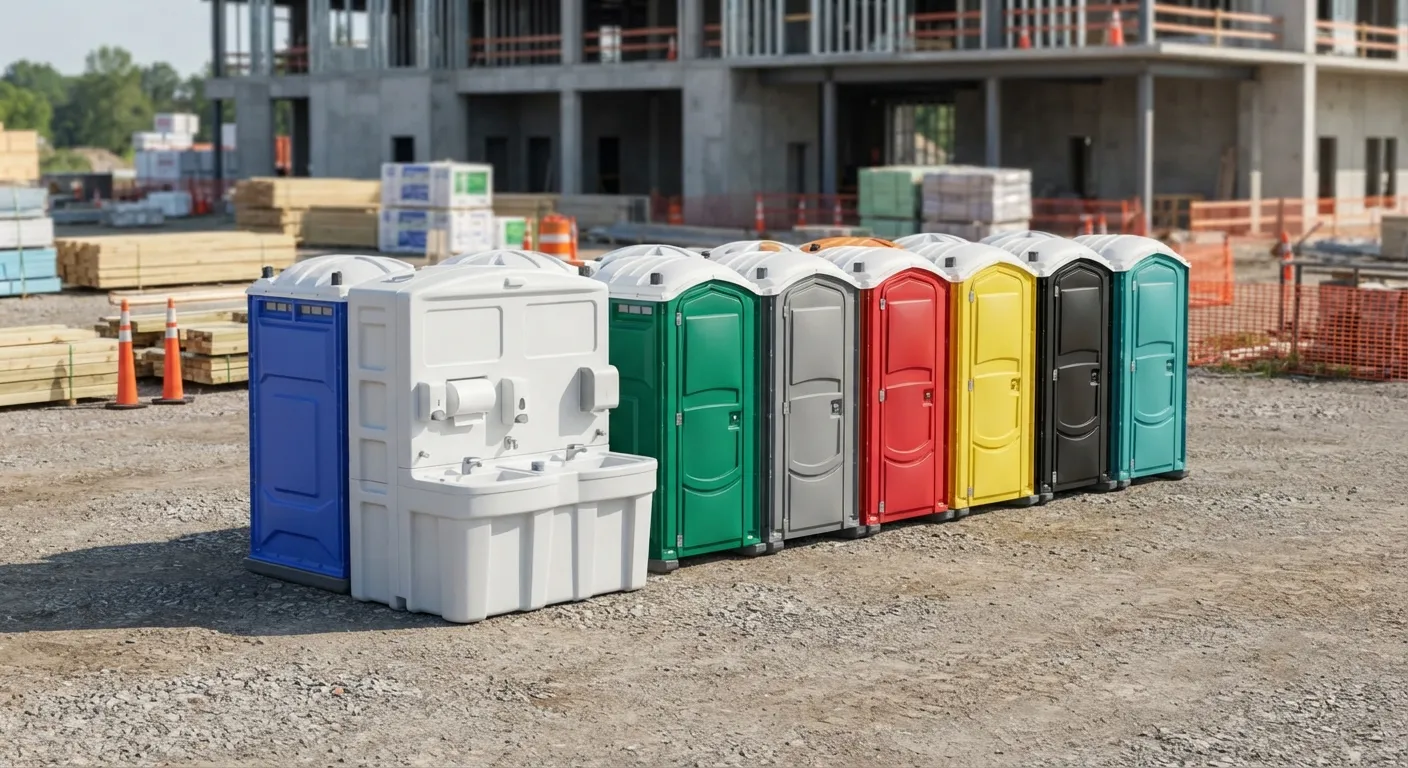
Yes, especially near food and hydration stops. 29 CFR 1910.141(d)(2) requires washing facilities stocked with soap and towels or a hand-drying device, not just sanitizer, and that standard shapes how we spec our handwashing station rental units for race day. A standard unit holds a 60 to 70 gallon tank and stands about 92 inches tall, which matters when you're placing units near narrow sidewalk sections of the course and need clearance for both runners and volunteers. For races that finish at a park or venue with a beer garden or food trucks, we also bring portable sink rental carts, since food vendors often need a wash station separate from runner-facing units. Pair that with our hand sanitizer station rental for quick-touch points along the route where a full sink isn't practical. Races drawing crowds from Burlingame, 7.6 miles south, or Pacifica, 9.9 miles southwest, tend to need more mid-course stops simply because spectators cluster at specific viewing points, not just runners. If your event overlaps with a festival layout, our festival restroom rental page has a broader breakdown, and general event restroom rental guidance covers static-crowd events if your race includes a post-run expo.
| unit | duration | typical price |
|---|---|---|
| standard | event | 400 |
| ada | day | 230 |
| trailer | event | 3500 |
| delivery_fee | day | 150 |
How far in advance should I book race restrooms?
Book as soon as your route and headcount are locked, ideally before you finalize permits. Race-day demand across South San Francisco and nearby towns like Foster City, 15.5 miles southeast, can tighten availability fast, especially for ADA units and restroom trailers.
Do I need a permit for restrooms placed on public streets?
Placement in the public right of way needs confirming with the city. We don't guess at permit rules here, so check with South San Francisco's permitting office before finalizing your route layout.
Can I get restrooms delivered the morning of the race?
Yes, for most standard setups. Early load-in works, but complex layouts with multiple mile-marker stops need at least a day of lead time for our trucks to stage everything before runner corrals open.
What's the difference between standard units and a restroom trailer for races?
A portable restroom rental bank works for course stops. A luxury restroom trailer fits finish-line VIP areas better, with real fixtures and climate control for sponsors or elite athletes.
Do you serve races outside South San Francisco proper?
Yes. Check our service areas page or browse listings like porta potty rental in San Bruno if your course crosses city lines.
Next step
Get a delivery date
Tell us the address, the dates and the headcount. We size the order and confirm the route.