
How Often Does a Septic Tank Need Pumping?
The 3 to 5 year window is a starting point, not a rule you can set and forget. Household size, tank size and daily water use all push that number up or down. A larger family on a smaller tank might need septic tank pumping closer to the 3 year mark, while a couple in a home with an oversized tank might stretch past 5. If you are unsure where your property falls, our how often to pump a septic tank guide walks through the variables. South San Francisco homes on well-established sewer lines might assume septic doesn't apply to them, but older properties near San Bruno, 5.5 miles southwest, and Millbrae, 7.2 miles south, still run private systems worth checking. Waiting too long costs more than the service call. Solids that pack past 25 percent of the liquid depth start moving into the drain field, and that is where real repair bills begin. We track this the same way for grease interceptors, covered on our grease trap pumping page, where the same 25 percent threshold applies.
What Are the Warning Signs of a Full Septic Tank?
Slow drains, gurgling pipes and standing water near the tank lid are the three signs homeowners notice first. Don't wait for a backup. If multiple fixtures drain slowly at once, or the yard over the tank stays soggy after dry weather, that is your system telling you it's past due. Our septic tank warning signs page covers the full list in more depth. Odors near the drain field are another marker, often showing up before any visible water does. Some property owners confuse a full tank with a clogged line, but a clogged line usually affects one fixture, while a full tank affects the whole house at once. If you're renovating a property and unsure what's original plumbing versus newer work, pair a septic check with a home renovation porta potty if the bathroom will be out of service during service. Catching the signs early keeps the job a routine pump instead of an emergency call, and our emergency septic service line exists for the cases that don't get caught early.
What Does a Septic Pumping Service Include?
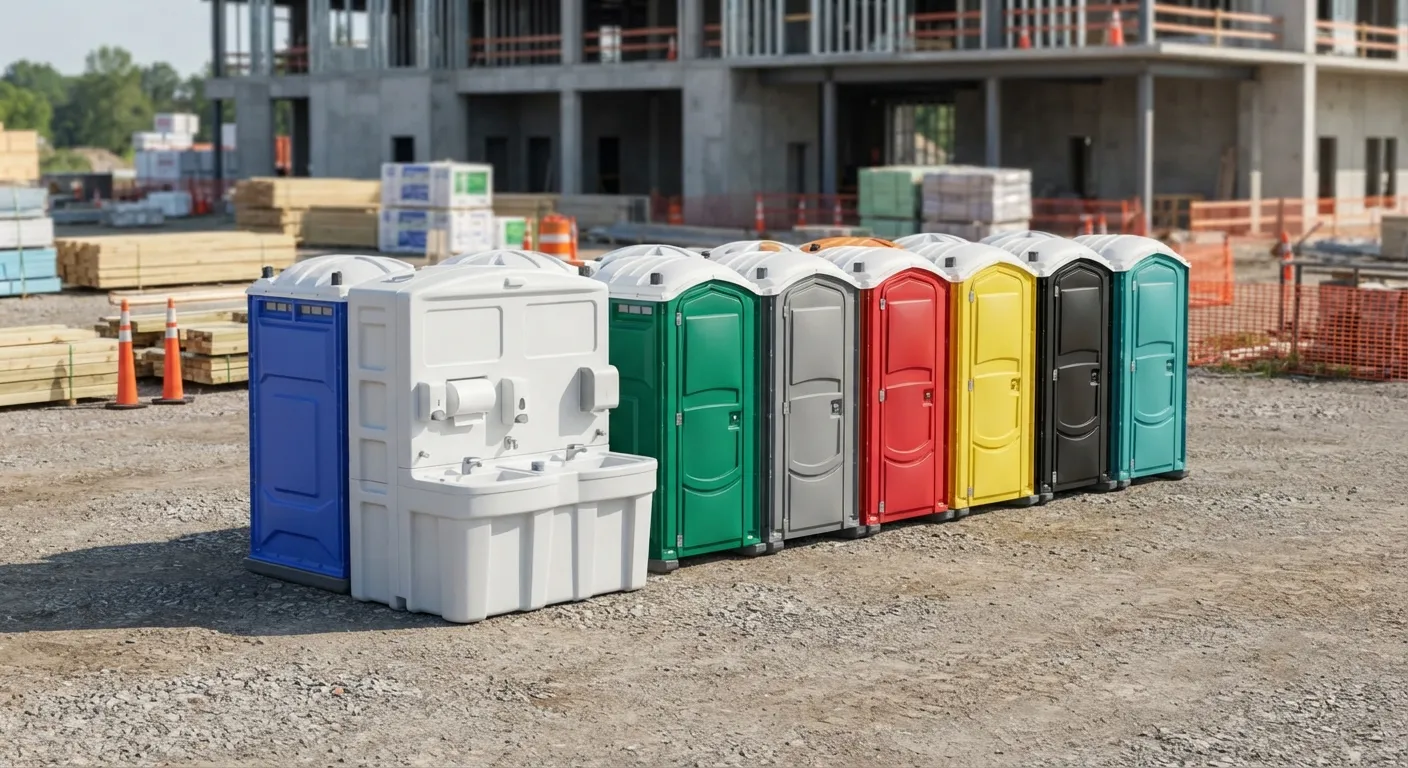
A standard visit includes locating and uncovering the tank lid, pumping the tank, and a basic check of the baffles and inlet and outlet pipes. The crew records tank condition on site and lets you know if anything beyond routine pumping is needed. This is different from septic tank cleaning, which involves agitating and removing more built-up solids rather than just pumping liquid and settled waste. Both jobs matter for tank longevity, and knowing which one your property needs saves money over time. If your property runs a grease interceptor instead of a standard tank, that service follows a different schedule, tied to the same 25 percent fats-oils-grease threshold noted above; see grease trap pumping for specifics. For construction sites without permanent plumbing, a holding tank rental covers the gap, and OSHA 1926.51(a)(1) requires an adequate supply of potable water at any place of employment regardless of which sanitation setup you're running. We serve properties across South San Francisco and the nearby corridor, including jobs near Burlingame, 7.6 miles south, and Pacifica, 9.9 miles southwest.

How Much Does Septic Tank Pumping Cost?
| unit | duration | low | typical | high |
|---|---|---|---|---|
| septic | day | $150 | $250 | $300 |
| septic | weekend | $50 | $100 | $150 |
A standard day rate covers most 1,000 gallon residential tanks. Larger tanks, harder access, or a tank that hasn't been serviced in years can push toward the top of that range. If your property needs recurring service on a set schedule, ask about setting up standing visits rather than calling each time symptoms show up. For a broader comparison across service types, our septic tank pumping cost page breaks down what drives the difference between a routine visit and a harder job. Weekend appointments run as a flat rate rather than a multiple of the weekday price, which matters if you're scheduling around a closing date or a tenant move-in. Commercial properties with grease interceptors should expect a different cost structure entirely, tied to interceptor size rather than tank size; see grease trap pumping for that breakdown.
Do You Offer Holding Tank Service for Properties Without Septic?
Yes. A holding tank works differently than a septic system: it stores waste rather than treating it on site, so it needs pumped on a set interval rather than every 3 to 5 years. This setup fits construction sites, remodels with the bathroom offline, or rural properties without a working septic system. Our holding tank rental page covers setup and service intervals in more detail. For active job sites, OSHA 1926.51(c) sets toilet facility ratios starting at one facility for 20 workers or fewer, and a holding tank paired with a portable toilet rental unit covers that requirement cleanly. If the crew is doing work involving paints, coatings, herbicides or insecticides, OSHA 1926.51(f)(1) requires washing facilities for that specific contaminant exposure, which is separate from general toilet counts. A handwashing station rental satisfies that need, and 29 CFR 1910.141(d)(2) requires soap and towels or a hand-drying device at any washing facility, not sanitizer alone. Agricultural properties fall under a related but distinct standard, OSHA 1928.110, covering field sanitation for hand-labor employees.
What Happens If My Septic System Backs Up?
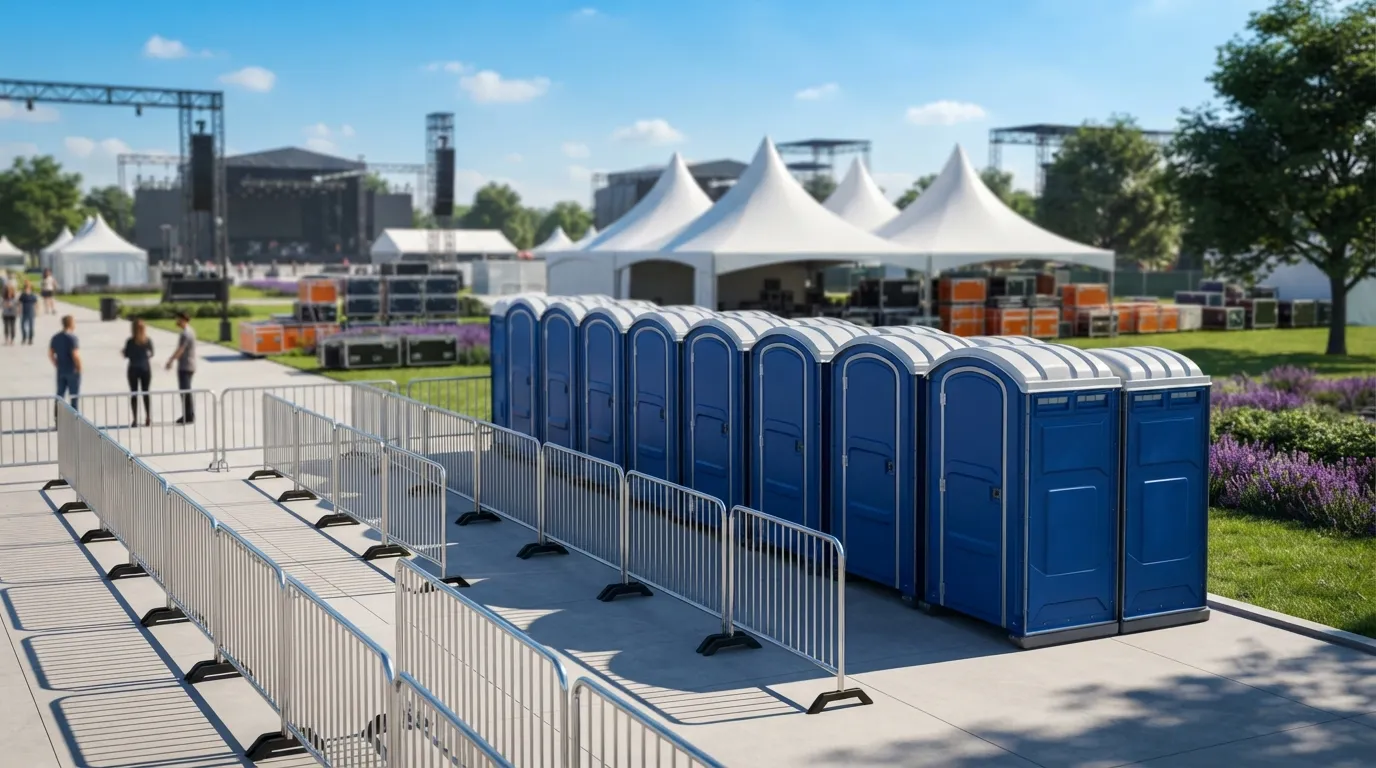
Call for emergency service the moment you notice sewage backing into the house rather than waiting to see if it clears on its own. A backup left overnight can push waste further into the line and turn a same-day pump into a bigger repair. Our emergency septic service line handles these calls directly, and dispatch prioritizes active backups over routine scheduling. While waiting for the crew, shut off water use in the house to slow the flow into the tank. If the property is a rental or a job site and the bathroom is out of commission for more than a day, a temporary portable restroom rental or restroom trailer rental keeps things functional until the system is back online. South San Francisco properties near Foster City, 15.5 miles southeast, fall within our standard emergency response range, and the same crew handling septic emergencies also manages emergency porta potty rental requests when a bathroom goes offline unexpectedly.
South San Francisco Porta Pros handles septic pumping alongside the rest of site sanitation, from construction site services to event restroom rental for weekend gatherings. If you're planning ahead for a project that needs multiple services at once, a storage container rental or temporary fence rental often gets bundled with sanitation on the same site visit. For a full look at pricing across our services, start with porta potty rental cost or request a request a quote directly.
How much does septic tank pumping cost near me?
Most 1,000 gallon tanks fall in the $150 to $300 day-rate range, depending on access and tank condition. Weekend service runs as a flat rate rather than a multiplier. Larger tanks or tanks overdue for service tend toward the higher end. See septic tank pumping cost for a full breakdown.
How often should a 1,000 gallon septic tank be pumped?
Every 3 to 5 years for most households, though household size and daily water use shift that window. Larger families on smaller tanks often need service closer to the 3 year mark. Check our how often to pump a septic tank guide for specifics tied to your property.
What are the warning signs I need septic service now?
Slow drains across multiple fixtures, gurgling pipes and standing water near the tank lid all point to a tank nearing capacity. Odors near the drain field are another early marker. Full details are on our septic tank warning signs page.
Is a holding tank the same as a septic tank?
No. A septic tank treats waste on site and needs pumping every few years, while a holding tank simply stores waste and needs pumping on a shorter, set interval. Construction sites and properties without working septic systems typically use a holding tank rental instead.
Do you handle emergency septic backups?
Yes, same-day when the schedule allows. Backups shouldn't wait, since sewage pushed further into the line usually means a bigger repair. Call the emergency septic service line directly rather than waiting for standard scheduling.
Does grease trap pumping follow the same schedule as septic pumping?
No. Grease interceptors get pumped when fats, oils, grease and solids reach 25 percent of the liquid depth, which can happen faster than a residential septic cycle depending on kitchen volume. See grease trap pumping for commercial scheduling.
Next step
Get a delivery date
Tell us the address, the dates and the headcount. We size the order and confirm the route.