
How Do Porta Potties Work?
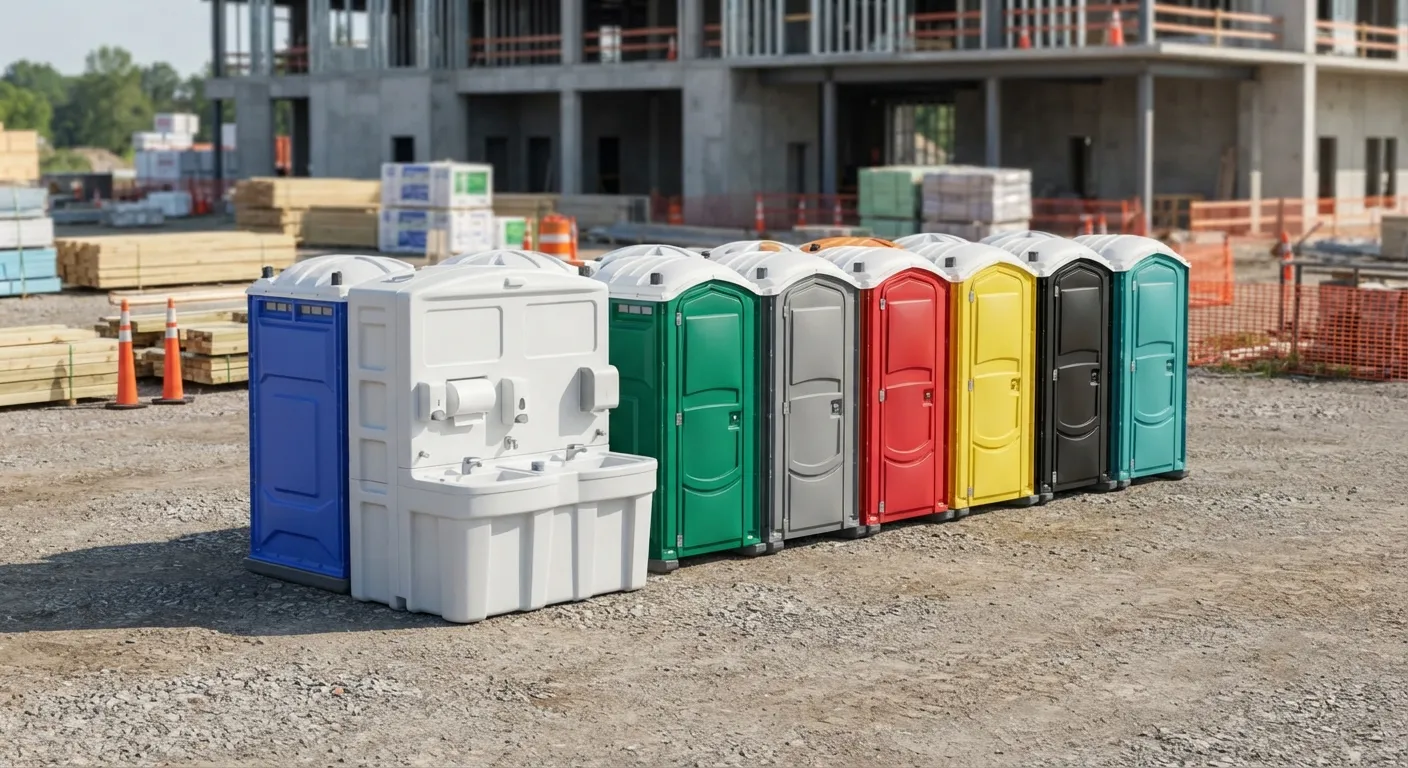
The unit itself is simple. A standard unit measures about 44 by 48 inches on the ground and stands roughly 92 inches tall, so it fits tight jobsite corners without eating much space. Below the seat sits the holding tank. When you use it, waste drops straight into that tank, where blue deodorizing chemical, usually a mix of surfactant and dye, breaks down solids and locks down smell. There's no flush, no water line, nothing to hook up. That's the whole diagram: seat, tank, chemical, vent stack for airflow. For a construction worker on a South San Francisco jobsite, that means fast use and no waiting on plumbing. Service crews pump the tank, rinse it, and restock paper on a set interval. ANSI/PSAI Z4.3 sets a baseline of one service visit a week for up to 10 users over a 40 hour week, which is why most rental agreements default to weekly cleaning unless the site has heavier traffic. If you're comparing a standard porta potty rental against something nicer, the mechanics underneath are the same.
How Does a Portable Sink Work?
A portable sink runs on two separate tanks, not a hookup. One tank holds fresh water, gravity-fed or foot-pump fed to the faucet; the other catches greywater underneath after it drains. Soap and paper towels sit in dispensers on the unit. That setup matters because 29 CFR 1910.141(d)(2) requires soap and towels or a hand-drying device at washing stations, and hand sanitizer alone doesn't satisfy it. On a South San Francisco site running paint, coatings or pesticide work, OSHA 1926.51(f)(1) requires washing facilities for that contaminant exposure specifically, not general handwashing. A handwashing station rental or a portable sink rental covers both needs. Some crews pair one sink per two or three toilets on food service or catering jobs. Fresh water tanks get refilled on the same service run as toilet pumping, so scheduling both together saves a trip and keeps the whole construction site services package on one calendar.
How Do Flushable Porta Potties Work?
A flushable, or deluxe, unit adds a small onboard freshwater tank and a hand-pump or foot-pump flush that pushes a rinse of water into the holding tank after each use. It doesn't connect to a sewer line. It's still a sealed tank system underneath, just with a rinse cycle added for comfort and less visible buildup. That's the difference buyers are usually asking about when they compare a deluxe flushable porta potty against a standard porta potty rental: same holding tank capacity, same pump-out schedule, extra plumbing for the flush itself. These units cost more to rent because of the added parts and more frequent service checks. They show up most on weddings, festivals, and film sets, anywhere guests expect something closer to a real bathroom. An ADA accessible porta potty can also come in a flushable configuration if a client wants both features together. Camping trips see flushable units too. For how do camping porta potties work: same tank-and-chemical system, just smaller and often towable, built for sites with no hookups at all, which describes most established campgrounds.
Do Portable Toilet Chemicals Need Special Handling?
Yes. The chemical in the holding tank is a controlled surfactant and dye blend, not something a customer needs to add or manage; South San Francisco Porta Pros handles all chemical dosing during delivery and every service visit. Customers searching for portable toilet chemicals near me are usually running their own long-term unit and looking to restock, but rental customers never touch it; it's part of the service. On the septic side, chemical drain treatments marketed for septic tank cleaning can actually disrupt the bacterial balance a tank needs to break down solids, which is one reason a scheduled septic pumping service beats chemical shortcuts. A typical residential septic tank gets pumped every 3 to 5 years depending on tank size and household use. If you're weighing a full septic tank cleaning against DIY treatments, ask about septic tank warning signs first.
| unit | day | week | month |
|---|---|---|---|
| standard | $100-$350 | $130-$500 | $125-$325 |
| deluxe | $85-$1200 | $150-$290 | - |
| ada | $200-$400 | $240-$500 | - |
South San Francisco sits close enough to several service points that delivery windows stay tight: San Bruno is 5.5 miles southwest, Millbrae is 7.2 miles south, and Burlingame runs 7.6 miles south. For anyone comparing full pricing across unit types, the porta potty rental cost and porta potty rental per day pages break it down further, and long-term jobs should check the monthly porta potty rental rates before committing to weekly billing.
Does a porta potty need to be near an accessible route?
Yes, if it serves the public or a job with ADA obligations. ADA Standards section 403.5.1 requires a 36 inch clear path, and section 213.2 requires at least 5 percent of clustered units to be accessible, never fewer than one. Check the ADA restroom requirements page for full detail.
How many porta potties does a job need?
OSHA 1926.51(c) sets the baseline: one toilet for 20 or fewer workers, then a scale-up above that. Crew size, shift length, and site layout in South San Francisco all factor in. See how many porta potties do I need for the full breakdown.
How often do units get pumped and cleaned?
ANSI/PSAI Z4.3 sets one weekly service visit as the baseline for up to 10 users. Heavier-traffic events need more frequent visits. Details are on the how often are porta potties cleaned page.
Do porta potties need a permit in South San Francisco?
Placement in the public right of way needs confirming with the city; permit rules vary by location and use. Ask South San Francisco Porta Pros during quoting, or check porta potty permit requirements for general guidance.
What's the difference between a porta potty and a restroom trailer?
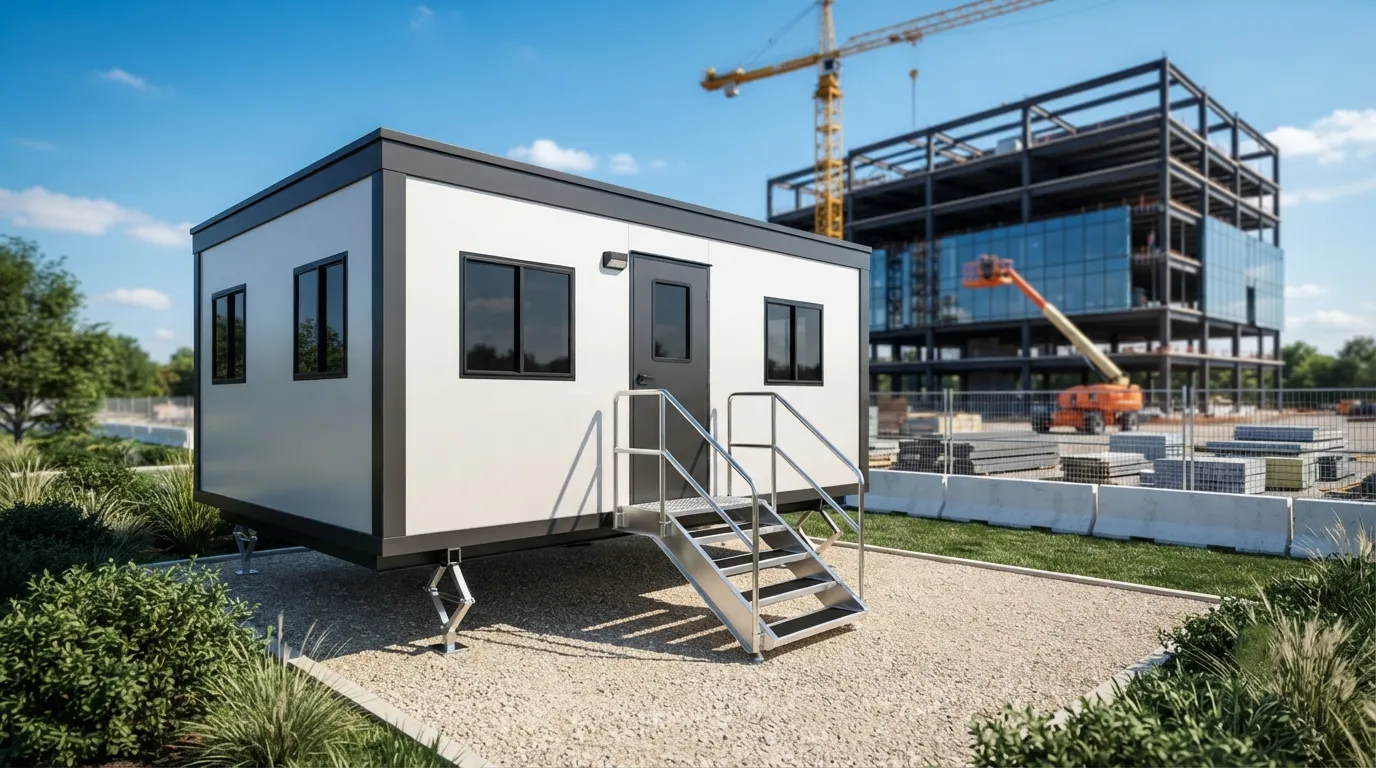
A porta potty is a sealed tank with no plumbing; a trailer has flush toilets, sinks, and often climate control, closer to a real bathroom. See restroom trailer rental or luxury restroom trailer for options.
Next step
Get a delivery date
Tell us the address, the dates and the headcount. We size the order and confirm the route.